
Anxiety is the only mental problem with which I KNOW I’ve ever been diagnosed. (How’s that for an opening line?) As such, I’m intimately aware of how exhausting it can be. For example,
I used to fill my plate with food, then proceed to eat only one item at a time.
I’d sooner walk across hot coals than speak in public.
I’ve been known to be slightly obsessive about the seam across the toes of my socks.
Of course, I’m all better now. Especially about eating only one thing at a time. I never do that anymore. Just ask my wife. No, wait… On second thought, just take my word for it.
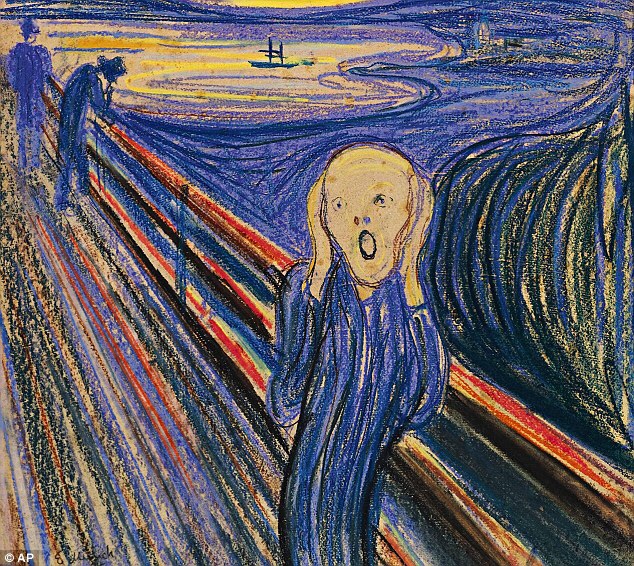
Seriously though, anxiety can be a crippling experience for those who suffer from it. Dictionary.com defines anxiety as “distress or uneasiness of mind caused by fear of danger or misfortune.” More broadly, anxiety can be considered the experience of distress that manifests itself in several forms, ranging from mild worry or muscular tension to obsessional thoughts, sleeplessness, repetitive behaviors, or even panic.
So how do you know if your anxiety is really a problem? After all, some anxiety is good right? As with many other life experiences, there is a spectrum of health. For example, without a little anxiety, I’d probably never turn in my taxes on time. That’s anxiety functioning appropriately in my life. A little farther down the spectrum, however, there’s a tipping point at which anxiety starts negatively impacting my quality of life. Each person’s “tipping point” probably occurs at a different place along the spectrum, but a good rule of thumb is to go with your gut. If you’re anxious about your anxiety, it’s probably a problem.
So what can I do about my anxiety?
Well, the first thing you shouldn’t do is try to push your anxieties out of your mind and ignore them. Most people try this approach first, but I’ve rarely seen it work. In fact, I’ve actually known people who have tried to ignore their anxiety to such an extent that they became addicted to various substances or behaviors just to numb it out. Instead of taking this approach, try embracing your emotion and paying more attention to it. Usually anxiety is your psyche’s way of saying, “Hey! There’s something important here that needs your attention!” So listen to yourself.
Okay, you’ve got my attention. So how do I “listen to myself?” That sounds a little weird.
Anxiety is driven by fear. Listening to yourself simply means exploring the underlying fears that produce your anxiety. For example, my fear of speaking in public probably had to do with being afraid of what people thought of me. As I explored that fear and figured out why other people’s opinions were so important to me, I was able to let go of the need for their approval. As I grew in self confidence, my anxiety over speaking in public largely faded away.
Okay, that makes sense. What else can I do?
The first thing to remember is that everybody’s anxiety is unique. As such, there is no prescription to follow that works for everyone. With that being said, the following are a few behavioral ways to find peace amidst the storm:
1. Prayer. If you view God as loving and protective toward you, studies have shown that incorporating some form of meditative or conversational prayer into your life actually decreases anxiety. (Go figure.) Praying helps us stay connected with God as a safe and secure attachment figure. As such, it can help remind us of His presence with us in the midst of our fears. Interestingly, a study at Baylor University showed that if you view God as unreliable, remote or judgmental, the positive effects of prayer are diminished. (Click HERE to read more about the Baylor study from 2010.)
2. Practice Mindfulness. Mindfulness is the art of staying fully in the present. Think about it this way–when you are feeling anxious, your thoughts are caught up in what might happen in the future, or ruminating on a regret of the past. Your mind is not fully here; it is somewhere else. The key to mindfulness is staying present with your current thoughts and emotions and receiving them without judgment.
When you realize you are feeling anxious, a good way to start practicing mindfulness is to get in a solitary, comfortable place and begin focusing your attention on your breath. After all, you can only breathe in the present. This helps anchor you in the here-and-now. Once you’ve narrowed your concentration with your breath, open your awareness to the various ideas, emotions, or sensations that start to emerge. As you consider each one without judgment, your mind might begin to race with anxiety again. When this happens, simply return your focus to your breath in order to anchor yourself in the present, then expand your awareness again. Trying this for 20 minutes a day can help alleviate some symptoms of anxiety. (Click HERE to read a more thorough description of mindfulness.)
3. Relaxation Techniques. There are a host of relaxation exercises that can help bring you down from an acute anxiety attack, but progressive relaxation is one that I find particularly helpful. Tense all the muscles in one particular area of your body, then slowly relax them to a count of ten. Once you reach ten, try to have all the muscles in that area as loose and relaxed as possible. Repeat this exercise over various areas of your body. Of course, getting a significant other to give you a massage also works wonders.
4. Regular Exercise. The benefits of regular exercise are well documented, and these benefits certainly extend to anxiety. Keeping a regular exercise routine releases endorphins, and it also provides an outlet for all that pent-up energy.
5. Avoid Caffeine and Other Stimulants. If you’re already anxious, adding caffeine and other stimulants can be like turning the volume up to eleven. Try to avoid compounding the problem with these substances.
6. Medication. Anxiety can sometimes be a biological problem like any other physical ailment. A brain structure called the amygdala–the part that helps create the fight-or-flight respoinse in a dangerous situation–can sometimes be hyperactive, “alerting” you even when it doesn’t need to do so. If your quality of life is consistently impaired, anti-anxiety medications might be one good tool for helping your brain calm itself down. Medication is just one tool in the bag, but if you think you might need it, make an appointment with your doctor to discuss the options and potential side effects.
–From Matt Thames