
When Knowing Thyself Is Not Enough—Trauma, Neuroscience, and My Job as a Therapist
Part of my job as a therapist is to ask good questions. It’s the part of my profession that people are most familiar with, and it understandably gets ragged in today’s popular culture. (So, Matt-the-therapist, how do you feel about that?) Gaining insight into our inner world can help us become aware of subconscious emotions, thought patterns, and beliefs that may be keeping us stuck.
And yet, despite having tons of insight, we can all too often find ourselves acutely aware of our own trauma without experiencing any real relief whatsoever. We can know our family history, name childhood wounds, tell you our our Myers-Briggs personality type and our enneagram number, as well as our (and our partner’s) attachment styles and love languages. And all of this can be good and accurate without bringing lasting peace into our lives.
A very wise researcher named Bessel van der Kolk once said,
“Psychologists usually try to help people use insight and understanding to manage their behavior. However, neuroscience research shows that very few psychological problems are the result of defects in understanding; most originate in pressures from deeper regions in the brain that drive our perception and attention. When the alarm bell of the emotional brain keeps signaling that you are in danger, no amount of insight will silence it.”
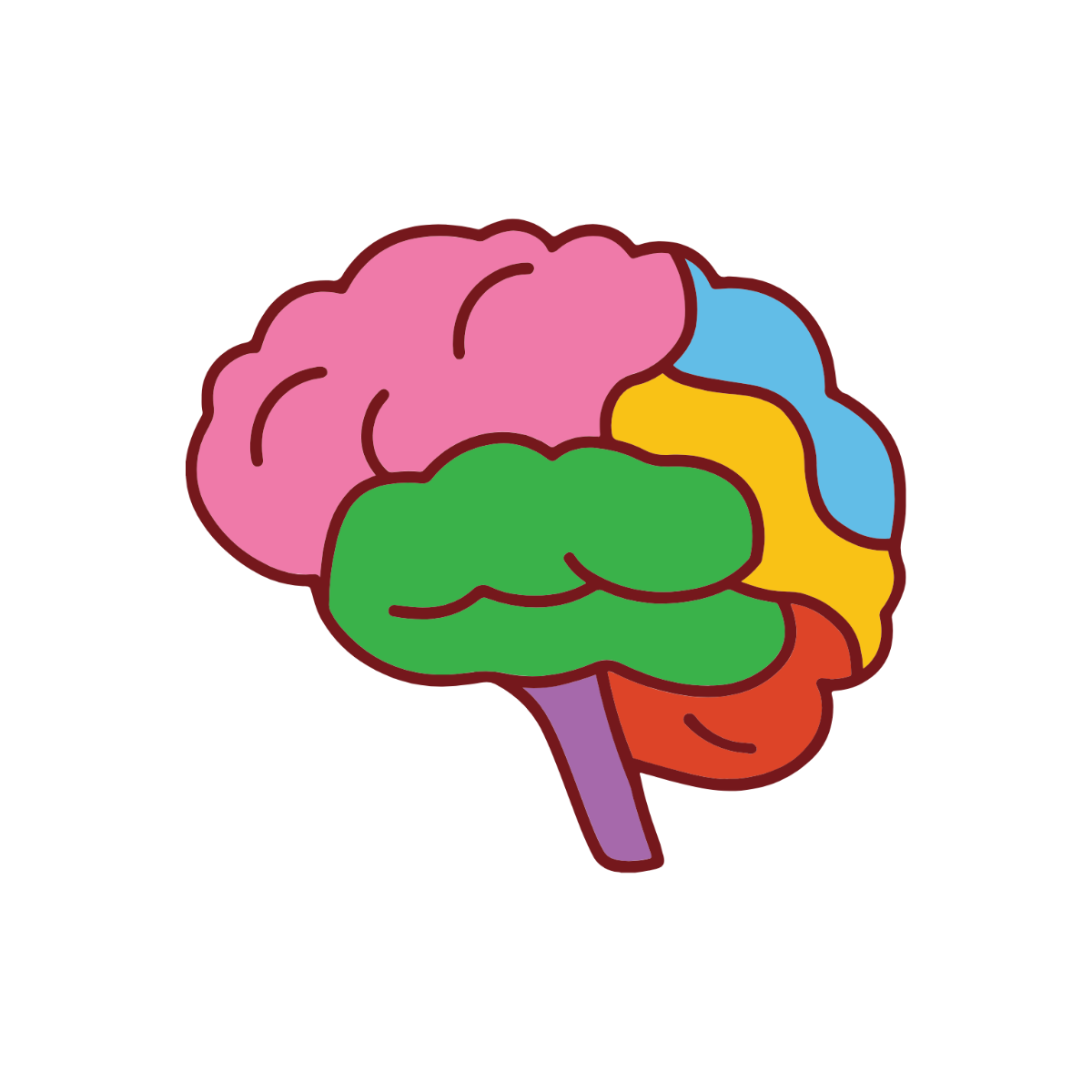
Our brains have an “upstairs” and a “downstairs.” The upstairs brain is the analytical part—the cerebral and prefrontal cortexes that develop as we mature into adulthood. They allows us to think rationally, understand deeply, plan ahead, have self-control and empathy. The downstairs brain is comprised of our brainstem, limbic system, and a structure called the amygdala. These areas run our subconscious bodily functions (breathing, heartbeat, etc.), house our big emotions and our fight-or-flight responses. When we experience trauma, research has found that it is stored in these deeper areas of the brain. Van der Kolk said that, “no matter how much insight and understanding we develop, the rational brain is basically impotent to talk the emotional brain out of its own reality.” We will continue acting from the traumatized parts of ourselves if they don’t get what they need.
Which brings me to another important part of my job as a therapist, which is to care for the downstairs brain. To heal from trauma requires not only insight upstairs, but recalibration downstairs. Our downstairs brains don’t learn from insight the way our upstairs brains do; they learn from experience. Being able to feel safe with other people and with ourselves is probably the single most important aspect of mental health, and bringing a corrective emotional experience to the downstairs brain is crucial to lasting relief and long-term change.
The way this works in therapy is that as we uncover deep wounds, feelings of hurt, shame, and embarrassment, I refuse to respond in ways that would re-enact the trauma. When someone has experienced rejection, I offer them acceptance. When someone has been wounded by contempt or criticism, I respond with kindness and empathy. When someone struggles with codependency, I respond with healthy, steady boundaries. As a person experiences a new reality—that they can be safe, make mistakes, or set limits—it gives their downstairs brain a chance to recalibrate and align itself with the insight upstairs. When the downstairs brain finally feels safe it can begin regulating our nervous system, opening the door to actually feeling better and making better choices. It allows us to respond differently toward ourselves and other people.
If this sounds interesting to your upstairs brain, I recommend the following three books:
The Body Keeps the Score by Bessel van der Kolk, M.D.
The Whole-Brain Child by Dan Siegel, M.D., and Tina Payne Bryson, Ph.D
On Becoming a Person by Carl Rogers, Ph.D
If your downstairs brain is craving recalibration, I invite you to consider making an appointment. Let’s see what we can heal together.
From Matt Thames, M.A., LPC